From 40% Short-Staffed to Fully Staffed: How RosterLab Helped Radiology Retain Staff

TL;DR
In New Zealand, MECA means multi-employer collective agreement: a negotiated employment agreement covering multiple employers. The MECA references here concern New Zealand union contract requirements.
- An Auckland-based radiology department moved away from Excel scheduling after 20 years to use a dedicated scheduling platform.
- 40% short-staffed - now consistently fully staffed for the first time in 28 years with RosterLab
- Reduced scheduling time from 120 hours to just 8 hours per month (based on a 4 week schedule)
- $80,000+ per year in savings
- Over 600 preferences met per schedule period
- Zero breaches of MECA rules
Background
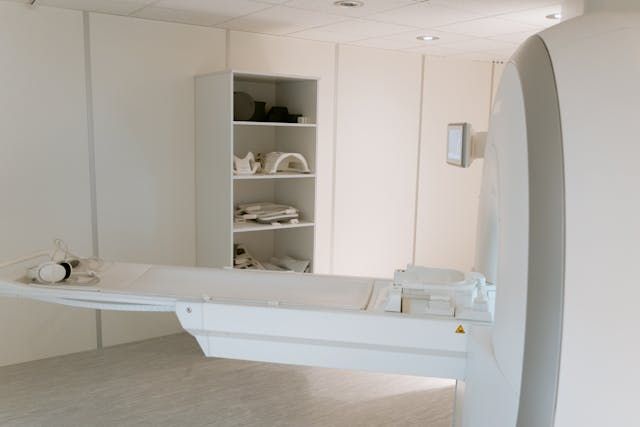
A radiology department based in Auckland had been using Excel spreadsheets for its scheduling for more than 20 years. With multiple modalities, including general X-ray, CT, MRI, interventional, operating room, and cath lab, managing staff with varying skill sets across shifts was increasingly complex.
MRT means medical radiation technologist in New Zealand. In this imaging context, US readers will recognize related roles such as radiologic and MRI technologists; the exact role depends on the imaging modality.
The department’s MRT team leader explains, “Radiology is unique… staff have their base skill, which is usually general X-ray, and then they have their specialty skills…there's just so many different skill sets that we need to ensure coverage for."
The department also faced strict compliance requirements with two MECAs (Multi-Employer Collective Agreements) that dictated maximum working days and weekend restrictions, adding to its complexity.
The Challenge
By 2022, the department faced a critical staffing crisis:
- 40% staff shortage - struggling to cover all shifts and services
- Manual scheduling was consuming 30 hours per week, requiring multiple staff (typically 15 changes per day to the schedule with five people involved)
- High scheduling error risks and compliance breaches ($250 penalties per breach)
- Challenges with staff retention - new graduates were leaving within 6 months
- Lack of visibility for staff on upcoming shifts or who they’d be working with
- System fragility - if any scheduling staff were absent, "the whole system collapsed".
Reflecting on the impact, the team lead explains, "We got to the point in 2022 where we were almost 40% down on staff and still trying to cover all services and keep all departments working."
On top of these staffing challenges, radiology schedules are generally more complex:
- Multiple skill requirements per shift: they need to ensure each area has staff with the right qualifications
- Overlapping capabilities: some staff can work in multiple areas, others can't
- Specific procedure requirements: different imaging procedures require different certifications
- Coverage across all services: they must ensure all departments and procedures have qualified staff
"To do one schedule was taking us about 30 hours per week... somebody has to input all of our staff's annual leave and process all their requests and then work out according to our MECA, who can work a shift.…we were expected to put the schedule out at least 6 weeks in advance - we would really struggle"
The RosterLab Solution

NZIMRT refers here to the New Zealand Institute of Medical Radiation Technology, the professional organization named in this historical conference account.
After discovering RosterLab at an NZIMRT conference, the department was keen to implement the AI-powered scheduling system.
The implementation included:
- Automated schedule generation ensuring MECA compliance
- Maximizing coverage based on skills
- Staff preference system through our mobile app
- Real-time visibility of shifts and colleagues
- Easy onboarding for new staff
- Automatic conflict resolution
This complexity is why RosterLab was so valuable - it could automatically solve this multi-dimensional puzzle of matching staff skills to departmental needs while respecting all the compliance rules and preferences.
"It was just so easy to load in a new staff member. It was as simple as providing the member of staff the schedule in advance, downloading the app, and there the schedule is. The business case was very much in favour of using it. Just the time and cost savings alone were very much in favour of using RosterLab" said the MRT lead.
Ongoing Benefits

Reflecting on the benefits, the MRT lead explains, “We are now fully staffed... I've been here for 28 years, and we've never managed to achieve this level of staffing consistently for more than 2 months until RosterLab"
The results were transformative:
- Time savings: reduced from 120 hours to just 8 hours per month
- Staff retention: improved from 40% shortage to fully staffed
- Financial savings: estimated $80,000+ per year in savings (enough to hire another member of staff)
- Staff satisfaction: over 600 preferences met per schedule period
- Compliance: zero breaches of MECA rules
- Trust: after trialling three schedule iterations (across 12 weeks), complete confidence in the system
- Retained knowledge: the system preserved scheduling knowledge, so anyone could step in when regular staff were away.
"The main advantage that we found is that you can generate the schedule automatically, but you can also switch schedule views by employee and by shift, making it easier to manage - that is what the staff loved. We trust it. It's made management's life easier."
The department continues using RosterLab for schedule generation because the alternative, returning to Excel, is “unthinkable”.
Why This Matters
This Auckland radiography department’s experience demonstrates how intelligent scheduling technology can solve even the most complex scheduling challenges in healthcare. The dramatic improvement in staff retention alone justifies the investment, while the time savings allow managers to focus on patient care rather than administrative tasks.
"It has managed to solve what I would say is one of the most complex schedules... and one of the biggest problems for us." said the MRT lead.
The case powerfully illustrates that when staff have input into their schedules through preferences, and when compliance is automatically managed, both retention and satisfaction dramatically improve - creating a virtuous cycle that benefits patients, staff, and the healthcare system.
If you’d like to learn how we can help your team with their staff schedule, book a demo with us to experience modern workforce management.
"If you can save time, particularly in the public healthcare sector, that's equal to money and that means more patients that you can help. So it's a win all round."
Ready to Transform Your Workforce Management?
Join thousands using RosterLab to streamline scheduling.

