9 Essential AI Healthcare Tech Stacks for Frontline Teams

Artificial intelligence is transforming how healthcare teams deliver care, streamline workflows, and make high-impact decisions. Behind every successful AI initiative is a well-chosen tech stack - a combination of tools, platforms, and workflows that determines how quickly organisations can innovate.
Below are 10 essential AI tech stacks modern healthcare organisations are adopting today:
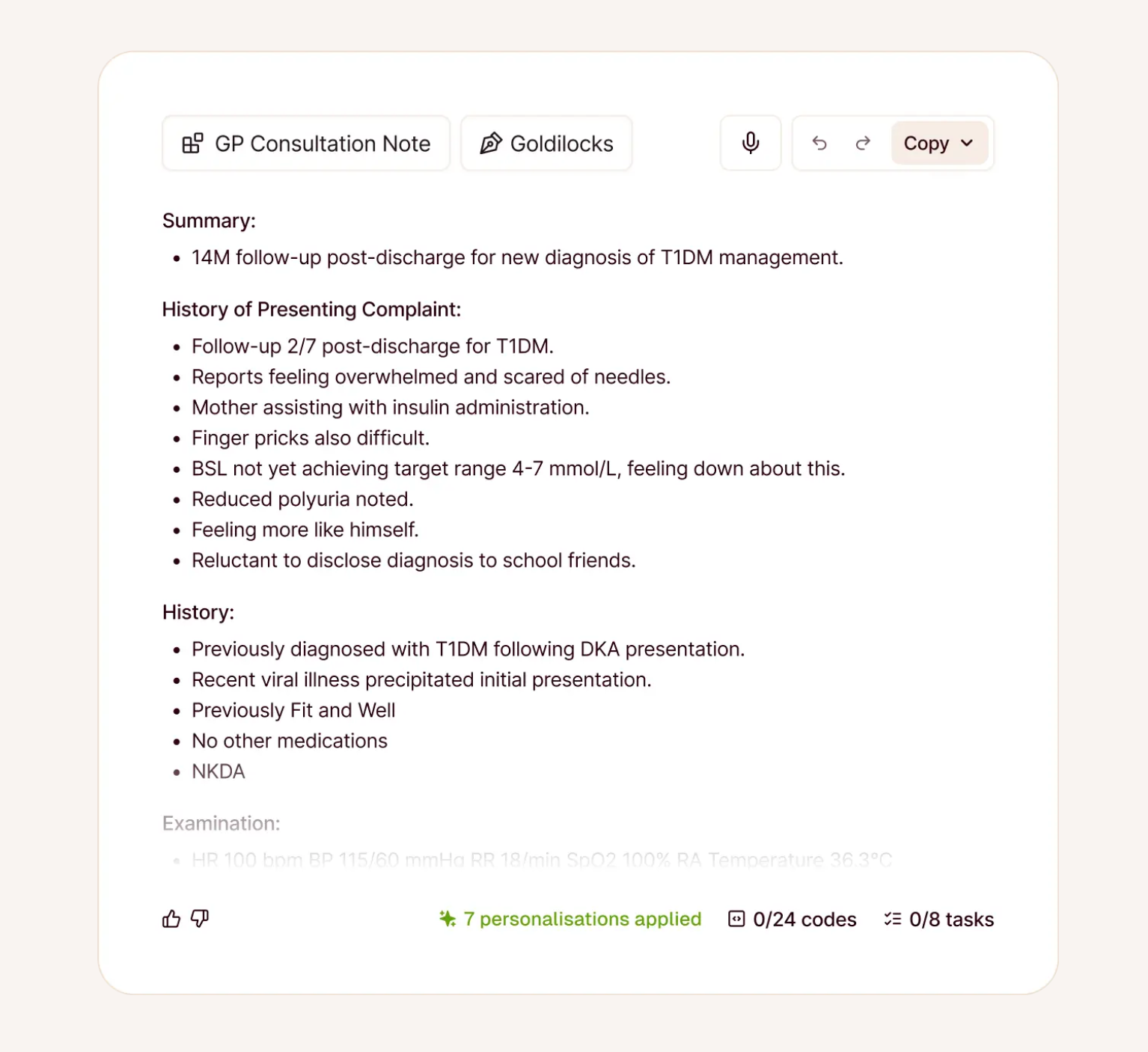
1) Medical AI Transcribers
What is it?
Speech-to-medical-note systems that auto-generate structured documentation from patient encounters.
Who does it help?
Clinicians, scribes, nurses, allied health teams.
How does it help?
Real-time transcription, clinical structuring, and auto-notes.
Benefits
- 40-70% reduction in documentation time
- Improved note completeness
- Better patient-clinician interaction
Popular Tools: Heidi, Nabla, DeepScribe
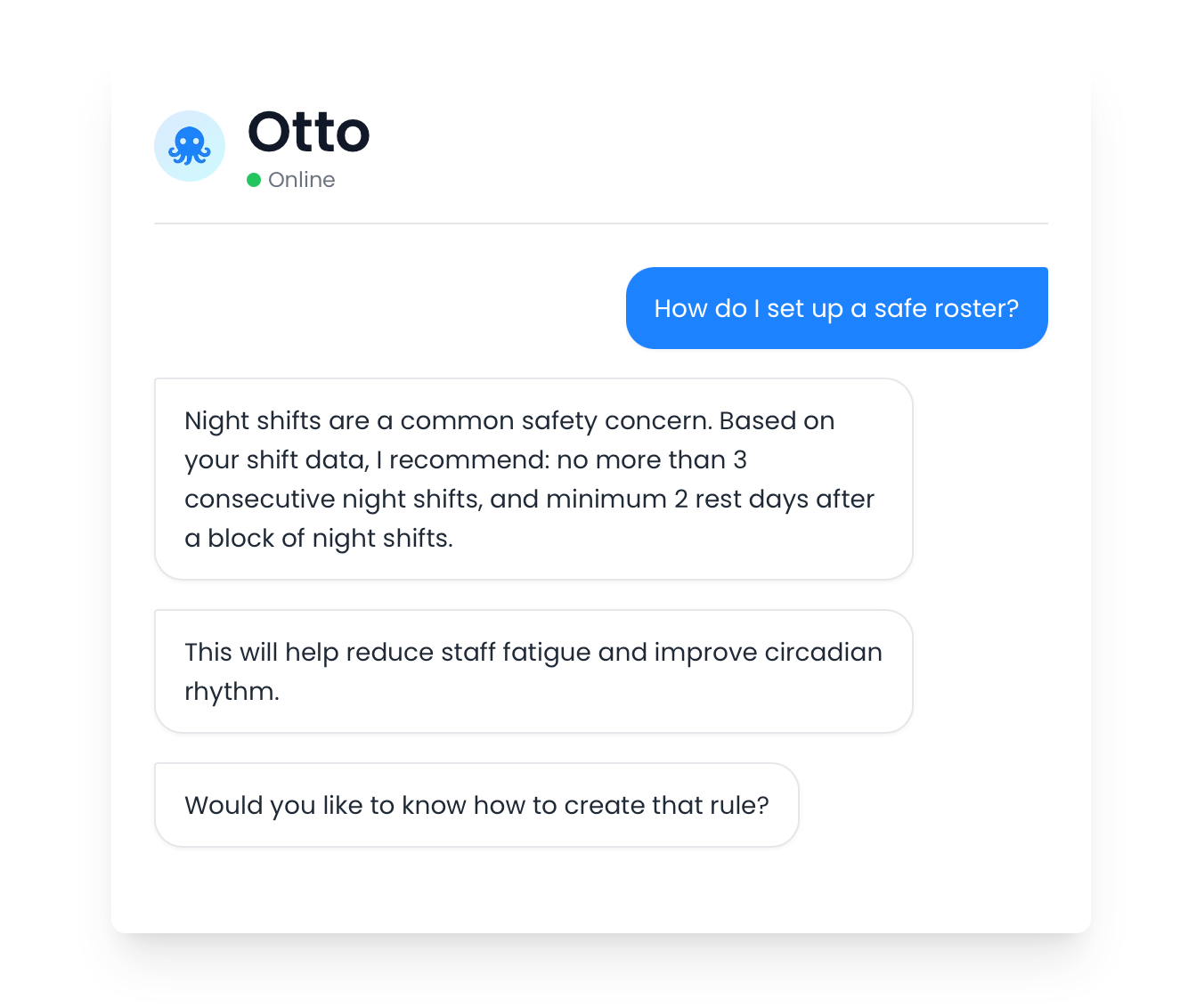
2) AI Rostering & Workforce Optimisation
What is it?
AI scheduling that automates and optimises staff rosters.
Who does it help?
Nurse managers, HR, admin, clinical ops.
How does it help?
Optimises staffing levels, ensures compliance, and reduces overtime.
Benefits
- 90% reduction in scheduling work
- Increased fairness and staff satisfaction
- Reduced operational costs
Popular Tools: RosterLab
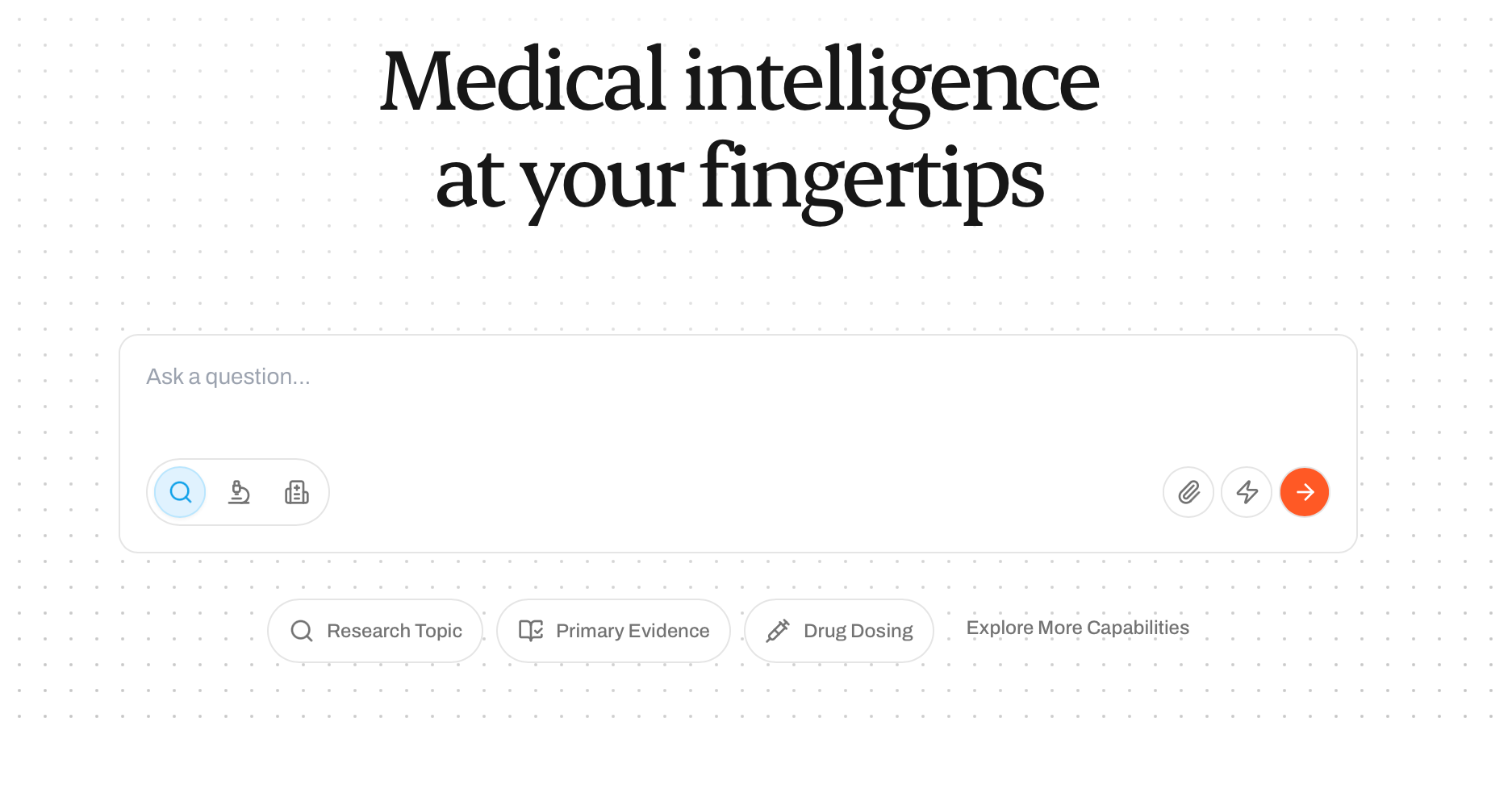
3) Medical Intelligence LLMs
What is it?
Domain-trained large language models for summarisation, reasoning, and knowledge retrieval.
Who does it help?
Clinicians, researchers, operational leaders.
How does it help?
Summaries, research synthesis, and clinical insight generation.
Benefits
- Faster decision-making
- Lower cognitive load
- Consistent communication
Popular Tools: ArkAngel, MedPaLM
4) AI Diagnostics & Disease Detection
What is it?
Machine learning and LLM-enhanced systems that assist clinicians in identifying conditions.
Who does it help?
Clinicians, radiologists, and urgent care teams.
How does it help?
Pattern recognition, risk flagging, and early detection.
Benefits
- Improved diagnostic accuracy
- Reduced missed conditions
- Earlier treatment
Popular Tools: Storyline Health AI, Aidoc, Viz.ai
5) AI Clinical Documentation & Coding Automation
What is it?
Systems that turn raw notes and transcripts into ICD/SNOMED-coded clinical documents.
Who does it help?
Clinicians, coders, and billing teams.
How does it help?
Autogenerates discharge notes, referral letters, and structured codes.
Benefits
- Improved billing accuracy
- Reduced admin time
- Better compliance
Popular Tools: Suki AI
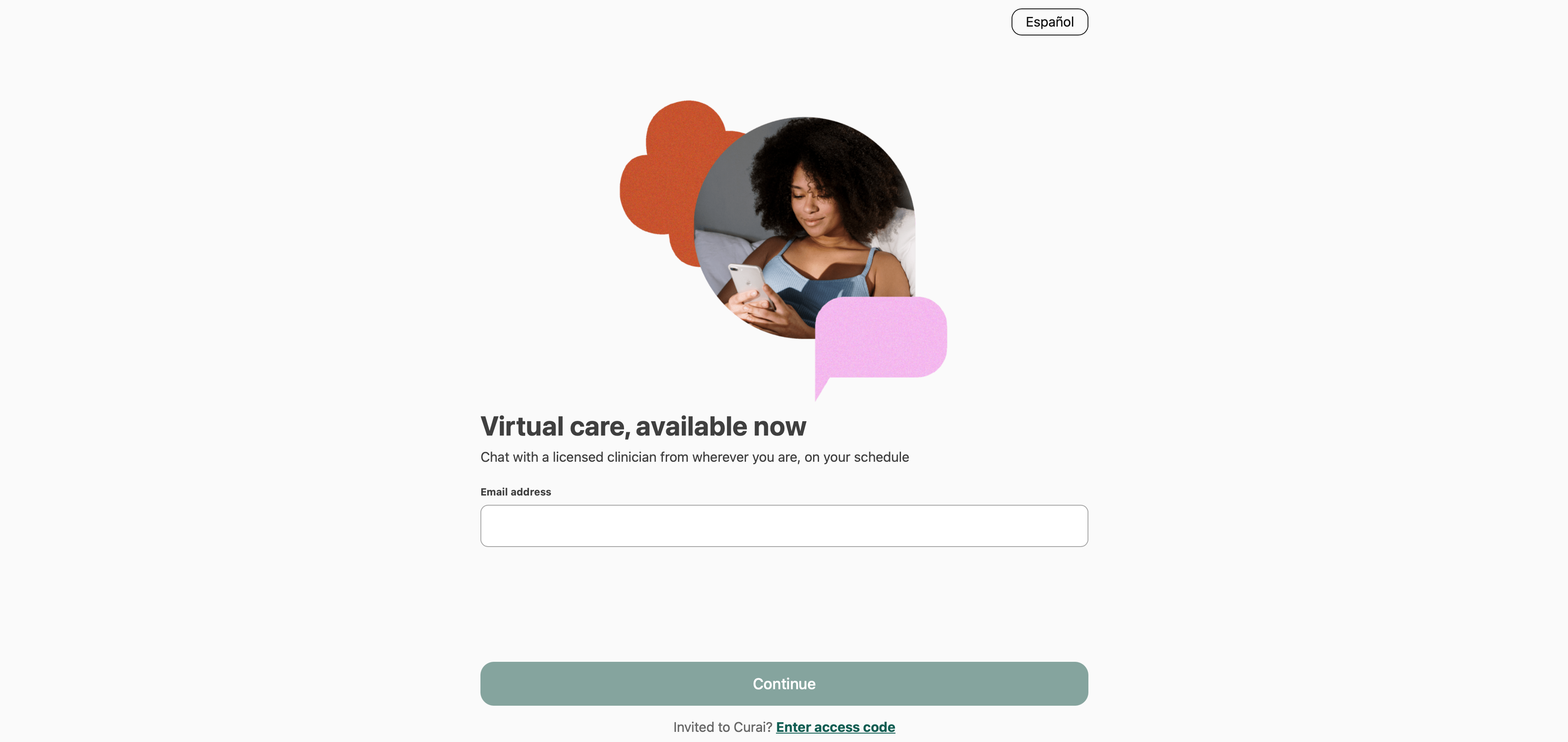
6) AI Patient Triage & Virtual Care Assistants
What is it?
AI chat and voice agents that guide patients through symptom triage and care navigation.
Who does it help?
Patients, call centres, virtual care teams.
How does it help?
Symptom assessment, care routing, 24/7 interaction.
Benefits
- Faster access to care
- Reduced call centre load
- Improved patient satisfaction
Popular Tools: Ada Health, Curai
7) AI Quality & Safety Monitoring
What is it?
Systems that detect anomalies, safety risks, or deterioration signals.
Who does it help?
Patient safety teams, QA teams, clinicians.
How does it help?
Real-time monitoring, anomaly detection, and infection prediction.
Benefits
- Fewer adverse events
- Early intervention
- Stronger compliance
Popular Tools: Clew Medical, AdaptX, Predible AI
8) AI Imaging & Radiology Automation
What is it?
AI systems that support imaging workflows, triage, and structured reporting.
Who does it help?
Radiologists, imaging technicians, and ED teams.
How does it help?
Prioritises urgent studies, automates workflows, and enhances interpretation.
Benefits
- Faster turnaround times
- Reduced radiologist load
- Improved imaging accuracy
9) AI Personalised Patient Engagement
What is it?
Adaptive communication systems that personalise reminders, education, and follow-ups.
Who does it help?
Patients, care navigators, clinics.
How does it help?
Automated messaging, behaviour nudges, chronic care support.
Benefits
- Higher adherence
- Better outcomes
- Lower no-show rates
Popular Tools: Commure, Hippocratic AI
Got a useful AI tech stack or tool we might have missed? Email marketing@rosterlab.com
You might also be interested in


Ready to Transform Your Workforce Management?
Join thousands using RosterLab to streamline rostering.